- Tel: +8613911709825 /
- Email: ry@rays-casting.com /


-
Business PhilosophyCustomer Focus Customer Trust
-
ValuesResponsibility enterprise quality sustainability
-
Quality philosophyCraftsmanship creates excellent quality and defines the future

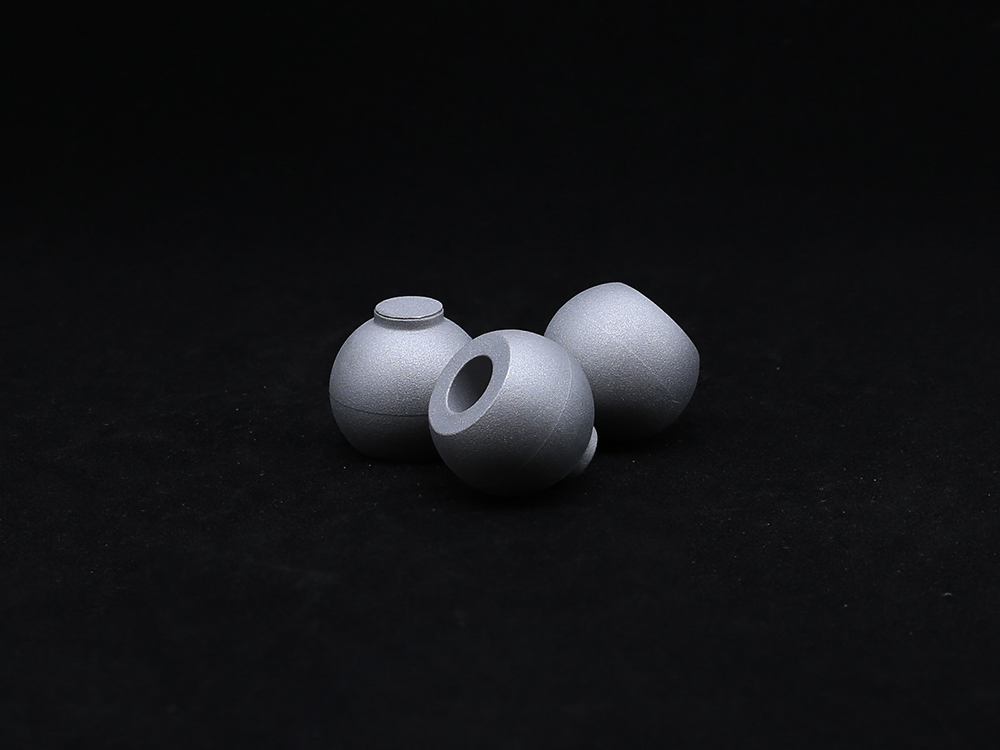
infrared neck and shoulder heating pad
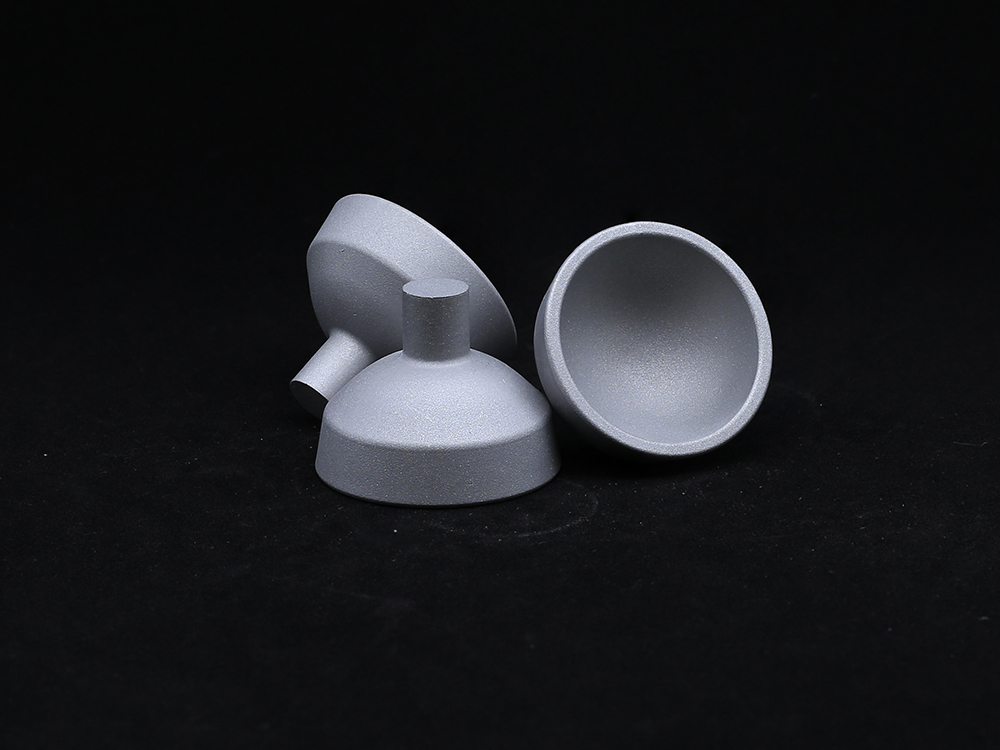
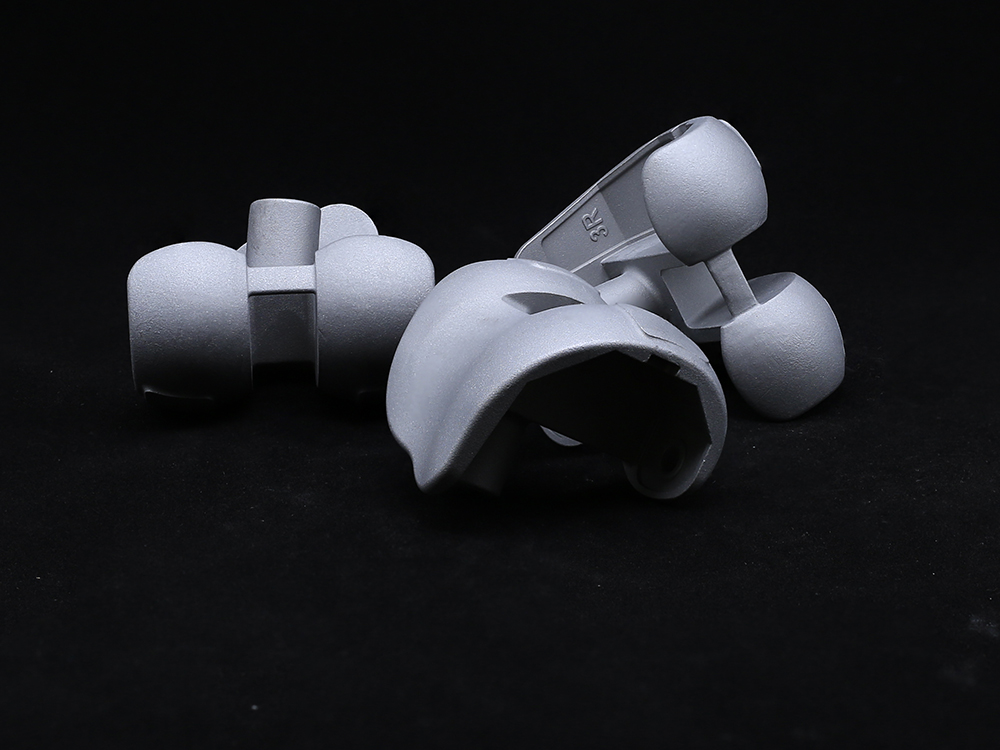
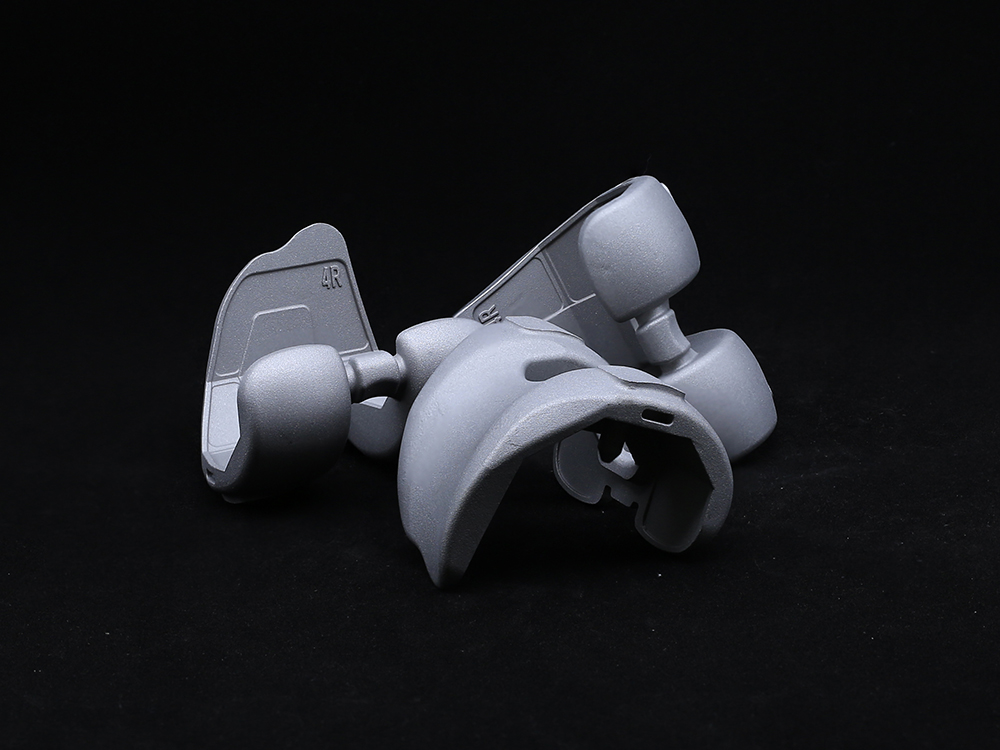
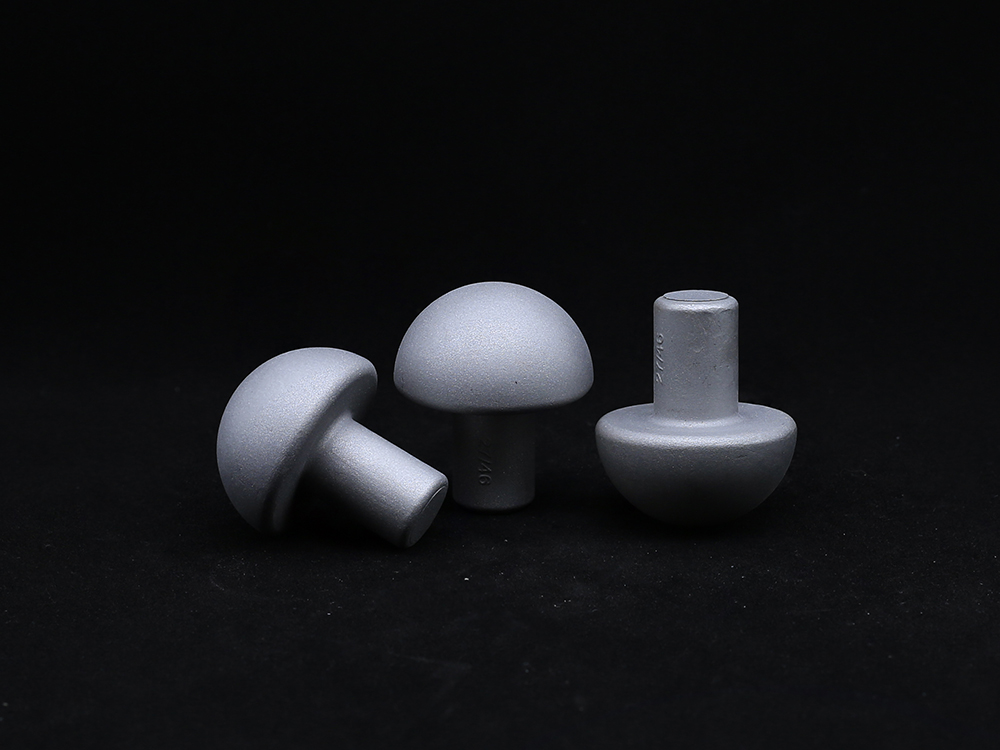
Introduction & Industry Trends in Shoulder Arthroplasty Components The Humeral Head is a critical component in shoulder arthroplasty, replicating the natural anatomy and biomechanics of the glenohumeral joint. As a prosthetic implant, its design, material science, and manufacturing precision are paramount to patient outcomes, surgical efficacy, and long-term implant survival. In the B2B orthopedic sector, the demand for high-performance humeral components is escalating, driven by an aging global population, rising incidence of shoulder pathologies, and advancements in surgical techniques. Current industry trends emphasize several key areas: Firstly, the shift towards more anatomical and patient-specific designs, leveraging advanced imaging and CAD/CAM technologies to improve fit and reduce complications. Secondly, material innovation continues to evolve, with new alloys and surface treatments enhancing biocompatibility, wear resistance, and osseointegration. Thirdly, manufacturing processes are becoming increasingly sophisticated, incorporating automation and stringent quality control to meet the rigorous demands of medical device regulations. Finally, there is a growing focus on modularity and revised implant designs to address complex cases and potential future revision surgeries efficiently. These trends underscore the critical need for suppliers to deliver components that are not only technologically advanced but also produced with uncompromising quality and precision. Detailed Manufacturing Process Flow for the Humeral Head The production of a high-quality Humeral Head involves a meticulous, multi-stage process flow, ensuring optimal structural integrity, biocompatibility, and precise anatomical fit. Our process is designed to meet and exceed international medical device manufacturing standards. Process Flow Schematic Steps: 1. Material Selection: We utilize medical-grade alloys such as Cobalt-Chromium-Molybdenum (CoCrMo) or Titanium-6Aluminum-4Vanadium (Ti-6Al-4V ELI), strictly adhering to ISO 5832 standards for surgical implants. These materials are chosen for their superior biocompatibility, mechanical strength, and corrosion resistance. Initial material inspection involves spectral analysis and mechanical property testing. 2. Forging/Casting: Depending on the specific design and material, the raw material undergoes precision forging or investment casting. Forging enhances grain structure, improving fatigue strength, while investment casting allows for complex geometries with minimal material waste. Both processes are tightly controlled to prevent defects such as porosity or inclusions. 3. Initial Heat Treatment: Components undergo stress relief and age hardening heat treatments to optimize mechanical properties, ensuring consistent strength and ductility across the implant. This process is meticulously monitored using advanced thermal profiling equipment. 4. CNC Machining: High-precision 5-axis CNC machining is employed to achieve the intricate anatomical contours, stem interface, and surface finish requirements. Tolerances are held to microns, verified by in-process optical and tactile measurement systems. This stage is critical for ensuring perfect articulation and surgical fit. 5. Surface Treatment & Polishing: The surface of the Humeral Head is meticulously polished to achieve a mirror-like finish, reducing friction and wear in articulation. For some designs, a Hydroxyapatite (HA) coating or other biocompatible coatings may be applied to enhance osseointegration, adhering to ASTM F1185 and ISO 13779 standards. 6. Quality Control & Testing: Each component undergoes rigorous testing, including dimensional inspection (CMM), surface roughness measurement, material integrity checks (non-destructive testing like eddy current or ultrasonic), and mechanical performance tests (fatigue and static strength per ASTM F1377, ASTM F1854). All processes are documented for traceability. 7. Cleaning, Passivation & Packaging: Components are thoroughly cleaned and passivated to remove contaminants and enhance corrosion resistance, in accordance with ASTM F86. Finally, they are packaged in sterile-ready conditions, compliant with ISO 11607. Our robust manufacturing process ensures a service life optimized for decades, significantly contributing to patient well-being. Target industries include leading orthopedic device manufacturers, specialized medical implant suppliers, and R&D facilities. A key advantage derived from our precise manufacturing is superior corrosion resistance due to material selection and surface treatments, and long-term durability that reduces the need for revision surgeries, indirectly contributing to resource efficiency by minimizing repeat procedures. Technical Specifications & Parameters of Advanced Humeral Head Implants The technical design and material parameters of a Humeral Head are paramount to its functional performance and integration within the complex shoulder joint. Key parameters include spherical diameter, offset, neck angle, and surface finish, all engineered to restore physiological motion and stability. Product Specification Table (Representative Data): Parameter Specification/Range Relevant Standard Material Options CoCrMo (ASTM F1537), Ti-6Al-4V ELI (ASTM F136) ISO 5832, ASTM F75 Spherical Diameter 36mm, 40mm, 44mm, 48mm, 52mm Anatomical Variances Head Height 18mm - 26mm (variable increments) Anatomical Variances Offset Options 0mm, +3mm, +6mm (relative to stem axis) Biomechanics Optimization Neck Angle 135° (Standard), Custom options available Surgical Preference Surface Finish (Articular) Ra < 0.02 µm (mirror polished) ISO 4287 Fatigue Strength >10 million cycles @ 1kN load (axial compression) ASTM F1377 Biocompatibility Non-cytotoxic, non-sensitizing ISO 10993 The precise control over these parameters allows orthopedic surgeons to select implants that best match patient anatomy, leading to superior clinical outcomes. The choice of material and surface characteristics directly impacts the implant's long-term performance, including wear resistance against the glenoid component and mechanical stability within the humeral shaft. Our components demonstrate exceptional resistance to physiological corrosion and robust mechanical properties, crucial for mitigating risks of implant loosening or failure over many years of activity. Application Scenarios & Technical Advantages The advanced Humeral Head components are primarily utilized in various shoulder arthroplasty procedures, addressing a broad spectrum of debilitating shoulder conditions. Their sophisticated design and material properties offer distinct technical advantages that significantly enhance patient recovery and implant longevity. Typical Application Scenarios: Total Shoulder Arthroplasty (TSA): In cases of severe osteoarthritis, rheumatoid arthritis, or avascular necrosis where both the humeral head and glenoid fossa are compromised. Our components integrate seamlessly with complementary glenoid implants. Hemiarthroplasty: When the glenoid is intact but the humeral head is severely damaged, often due to complex fractures or extensive arthritis. The precise sphericity and surface finish ensure optimal articulation with native cartilage. Reverse Shoulder Arthroplasty (RSA): While typically involving a glenosphere and a humeral cup, the underlying humeral component requires robust fixation and compatible geometry. Our foundational metallurgical expertise supports components for such advanced systems. Revision Shoulder Arthroplasty: For failed previous implants, where patient-specific solutions are often crucial. The adaptability of our manufacturing process allows for customized dimensions and interfaces. Technical Advantages: Enhanced Anatomical Fit: Precision machining and a range of size and offset options ensure optimal restoration of natural joint kinematics, leading to improved range of motion and reduced impingement. Superior Wear Resistance: The use of highly polished CoCrMo alloys or ceramic-on-polyethylene articular surfaces minimizes friction and wear against the glenoid component, crucial for long-term implant survival. This reduces the energy expenditure in friction within the joint, contributing to better biomechanical efficiency for the patient. Exceptional Corrosion Resistance: Medical-grade materials like CoCrMo and Ti-6Al-4V ELI exhibit outstanding resistance to corrosion in the physiological environment, preventing material degradation and associated adverse tissue reactions. This is a critical factor in ensuring the long-term biological integrity of the implant. Long-Term Stability: Robust mechanical properties, combined with optimal surface preparation for stem fixation (e.g., grit-blasting for bone ingrowth), ensure secure and stable fixation of the humeral component within the bone, reducing the risk of loosening. Biocompatibility: All materials conform to ISO 10993 standards, ensuring minimal biological response and optimal integration with surrounding tissues. These advantages translate directly into improved patient outcomes, including faster rehabilitation, greater pain relief, and enhanced quality of life, which are critical differentiators in the highly competitive orthopedic market. Vendor Comparison for Humeral Head Components Selecting the right manufacturing partner for Humeral Head components is a strategic decision that impacts product quality, regulatory compliance, and market competitiveness. A thorough evaluation of potential vendors across several critical dimensions is essential. Comparison Criteria and Industry Landscape: Feature/Criteria Leading OEM A (e.g., Stryker/Zimmer Biomet) Specialized Manufacturer (e.g., Rays Casting) Generic Supplier Material Quality & Traceability High, stringent internal standards High, ISO/ASTM compliant, certified suppliers Variable, often cost-driven Manufacturing Precision (Tolerances) Micro-level, highly automated Sub-micron, advanced CNC & inspection Standard, often less precise Regulatory Compliance (e.g., FDA, CE) Full compliance, extensive documentation ISO 13485 certified, robust QMS, documentation support Often limited or partial compliance Customization & R&D Support Internal R&D, limited external customization Extensive, collaborative design & prototyping Minimal to none Cost-Effectiveness High initial cost, brand premium Competitive pricing, excellent value for precision Low initial cost, potential quality risks Lead Time & Supply Chain Reliability Generally reliable, large-scale production Optimized, flexible for custom orders, transparent Often unpredictable, lacks transparency While large OEMs offer integrated solutions, specialized manufacturers like Rays Casting often excel in providing high-precision, customized components with greater agility and cost-effectiveness. Our focus on precision casting and machining, combined with rigorous quality management systems (ISO 13485 certified for over a decade), positions us as a reliable partner for demanding orthopedic applications. We bridge the gap between mass production and bespoke solutions, ensuring our clients receive components that meet exacting specifications without the overheads associated with larger integrated systems. Customized Solutions for the Humeral Head Recognizing the inherent variability in human anatomy and complex patient pathologies, the demand for customized Humeral Head solutions is continuously growing. Standard off-the-shelf implants, while suitable for many cases, may not always provide the optimal fit and biomechanical restoration for every individual. Our expertise extends to developing patient-specific or highly modular solutions. This involves a collaborative approach, often starting with patient imaging data (CT/MRI) which is then used to generate 3D anatomical models. Our engineering team leverages advanced CAD/CAM software to design Humeral Head components that are precisely tailored to the patient’s unique anatomy, addressing specific requirements for diameter, height, retroversion, and offset. We offer: Patient-Specific Design: Utilizing medical imaging data to create a custom-fitted implant, improving congruence and minimizing stress shielding. Modular Systems: Developing systems where the humeral head can be combined with various stem options, offering surgeons intraoperative flexibility to achieve optimal joint mechanics. Material Customization: Offering alternative material options or surface treatments for patients with specific allergies or biological considerations. Rapid Prototyping: Utilizing additive manufacturing (3D printing) for rapid prototyping of complex designs, allowing for design verification before full production. This bespoke approach is critical for challenging revision cases, severely deformed anatomies, or in situations where traditional implants fall short. Our technical team works hand-in-hand with orthopedic device manufacturers to translate complex surgical requirements into precision-engineered components, ensuring superior clinical outcomes and surgeon satisfaction. Application Case Studies & Customer Feedback Our commitment to precision engineering and quality manufacturing has led to successful collaborations with leading orthopedic companies globally. These partnerships highlight the tangible benefits our Humeral Head components bring to the medical device market. Case Study: Enhanced Shoulder Prosthesis Development A prominent European orthopedic manufacturer sought to develop a new generation of shoulder prostheses, focusing on improved anatomical fit and long-term durability. They partnered with us for the precision manufacturing of their Humeral Head components. Challenge: Achieving sub-micron surface roughness on CoCrMo heads and ensuring consistent spherical geometry across a range of diameters while maintaining strict metallurgical integrity. Solution: We implemented a specialized 5-axis CNC machining program followed by a multi-stage automated polishing process, combined with 100% optical inspection and CMM verification for every unit. Our metallurgists optimized the casting and heat treatment protocols to enhance material fatigue life. Result: The client successfully launched their new prosthetic line, which received positive feedback from surgeons regarding the smooth articulation and stability provided by our components. Post-market surveillance showed significantly lower rates of aseptic loosening and wear-related complications compared to previous generations, leading to increased market share and surgeon confidence. This partnership reinforced our reputation for delivering implants that exceed expectations for precision and longevity. Customer Feedback: "Our partnership with Rays Casting has been instrumental in the success of our latest shoulder system. The precision and consistent quality of their Humeral Head components are unmatched. Their technical support during the design phase was exceptional, ensuring seamless integration into our surgical workflow. We've seen a noticeable improvement in patient outcomes and surgeon satisfaction since incorporating their products." – VP of Operations, Global Orthopedic Solutions Inc. Trustworthiness: FAQ, Lead Time, Warranty & Support Establishing and maintaining trust is fundamental in the B2B medical device sector. We are committed to transparency, reliability, and comprehensive support for our partners. Frequently Asked Questions (FAQ): Q1: What materials are available for the Humeral Head components? A1: We primarily offer medical-grade Cobalt-Chromium-Molybdenum (CoCrMo) and Titanium-6Aluminum-4Vanadium ELI (Ti-6Al-4V ELI) alloys, compliant with ISO and ASTM standards. Other specialized materials may be available upon request for custom orders. Q2: How do you ensure the biocompatibility and sterility of the components? A2: All materials are sourced from certified suppliers and undergo rigorous testing to meet ISO 10993 standards for biocompatibility. Components are manufactured in controlled environments, thoroughly cleaned, passivated, and packaged in sterile-ready conditions compliant with ISO 11607. Q3: Can you accommodate custom designs or patient-specific implants? A3: Yes, customization is a core strength. We work closely with clients, utilizing CAD/CAM and 3D printing capabilities, to develop precise patient-specific or modular designs based on specific anatomical requirements or clinical needs. Lead Time & Fulfillment: Our optimized production processes allow for efficient fulfillment without compromising quality. Typical lead times for standard Humeral Head components range from 8-12 weeks, depending on order volume and material availability. Custom or complex orders may require additional time for design and prototyping, with estimated timelines provided on a project-by-project basis. We maintain transparent communication throughout the production cycle, providing regular updates on order status and delivery schedules. Warranty Commitments: We stand behind the quality and reliability of our Humeral Head components. All products are warranted to be free from defects in material and workmanship and to meet all agreed-upon specifications and regulatory standards for a period as specified in our supply agreements, typically aligning with industry standards for implantable medical devices. Our commitment ensures that our components will perform as intended under normal conditions, supporting the long-term success of our clients' orthopedic systems. Customer Support Information: Our dedicated customer support team is available to assist with technical inquiries, order management, and after-sales service. We provide comprehensive technical documentation, engineering consultation, and prompt resolution of any product-related concerns. For inquiries, please contact us via the information available on our website: www.rays-casting.com . Authoritative References International Organization for Standardization (ISO) 13485:2016, Medical devices — Quality management systems — Requirements for regulatory purposes. ASTM F136-13, Standard Specification for Wrought Titanium-6Aluminum-4Vanadium ELI (Extra-Low Interstitial) Alloy for Surgical Implant Applications (UNS R56401). ASTM F1537-18, Standard Specification for Cobalt-28 Chromium-6 Molybdenum Alloys for Surgical Implants (UNS R31537, UNS R31538, and UNS R31539). ISO 10993 (various parts), Biological evaluation of medical devices. FDA (U.S. Food and Drug Administration) Guidance for Industry and FDA Staff: Class II Special Controls Guidance Document: Shoulder Joint Humeral (Hemi-Shoulder) Prosthesis.
-
9FIELD EXPERIENCE
-
10 +TECHNICAL TALENTS
-
-
-
100 %CUSTOMER SATISFACTION
-
100 +SATISFIED CUSTOMER
-
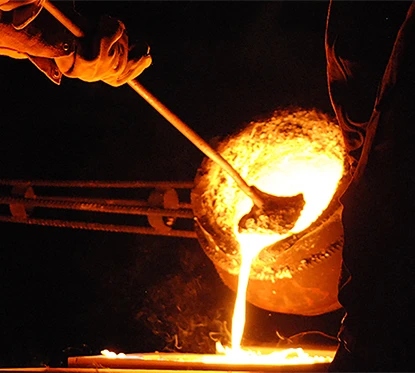
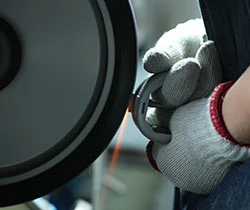
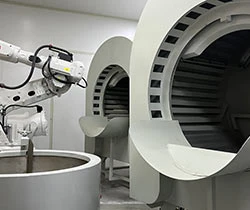
01Advanced Production Technology and EquipmentUse high-performance casting equipment and furnaces, such as vacuum induction melting, investment casting and other technologies, to ensure melting precision and casting quality.
-
02Professional Technical Support ServicesWith a professional technical team and complete technical support services, we can provide customers with satisfactory products and customized processing services.
-
03Strict Production Management NormsEstablish a sound quality management system, formulate perfect production operation procedures, implement strict production process control and product quality inspection, in order to achieve the goal of high-quality casting.
Quick Response And Adequate Technical Support
Visit Hebei Ruiyi Yuan Tong Technology Co., Ltd. — a professional manufacturer specializing in high-quality joint replacement components including femoral condyles, acetabular cups, tibial plates, and more.

china
Türkiye
India
Russia
Germany
USA
Switzerland
Argentina
NEWS
-
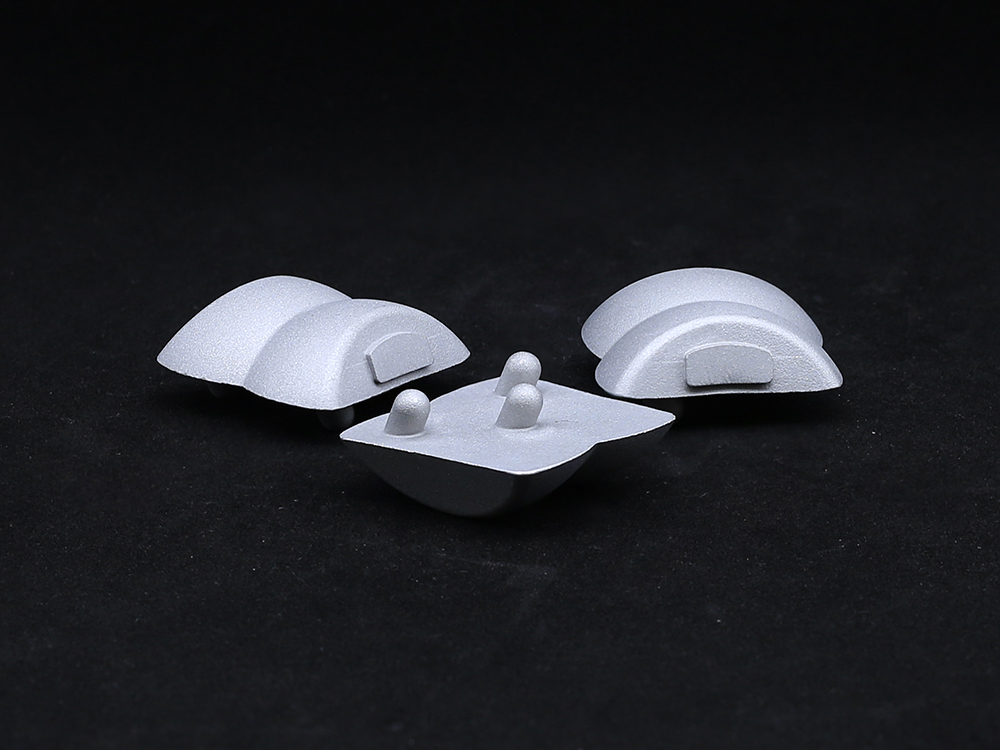
2026-04-04 23:492026-04-04 23:49Titanium Knee Cap_ Reliable Knee Replacement SolutionsHebei Ruiyi Yuan Tong Technology Co., Ltd. is a high-tech enterprise specializing in the production>
-
2026-04-04 22:072026-04-04 22:07Talus_ High-Quality Cobalt-Chromium-Molybdenum Alloy Ankle Joint Blank_Precision Engineering&BioArtificial joints play a critical role in restoring mobility and improving quality of life for patie>
-
2026-04-04 21:592026-04-04 21:59Acetabular Cup_ A Core Stabilizing Device in Joint Replacement SurgeryIn hip replacement surgery, the Acetabular Cup , as a key prosthesis to replace the human hip socket>
Get a Custom Solution!
Contact Us To Provide You With More Professional Services


